Introduction
In emergency medical situations, the difference in between Basic Life Support (BLS) and Advanced Life Support (ALS) can be lifesaving. The two methods stand for various degrees of care, training, and treatment in essential situations. While BLS focuses on essential strategies that anybody can learn, ALS integrates advanced treatments normally executed by healthcare experts. This write-up intends to delve into the nuances of Fundamental vs Advanced Life Assistance, supplying a detailed understanding for nonprofessionals and professionals alike.
Basic vs Advanced Life Assistance: Comprehending the Key Differences
When comparing Fundamental vs Advanced Life Assistance, it's vital to understand what each entails.
Basic Life Support (BLS) includes the preliminary steps required to endure life until professional assistance shows up. This includes:
- Checking Responsiveness: Assessing if the person is conscious. Identifying No Breathing: Establishing whether the casualty is breathing or calls for immediate intervention. Taking Switches on Compressions: If mouth-to-mouth resuscitation is necessary, it's important to alternative rescuers to keep effective compressions.
On the other hand, Advanced Life Assistance (ALS) consists of more customized procedures frequently scheduled for qualified paramedics or medical workers. ALS might entail:
- Hospital Codes and Protocols: Adhering to particular standards established by medical institutions throughout emergencies. Public Defibrillator Use: Making Use Of AEDs (Automated External Defibrillators) to bring back regular heart rhythm. Advanced Respiratory tract Management: Methods such as intubation.
Both BLS and ALS are crucial in emergency situations yet serve various functions and need differing levels of training and expertise.
The Importance of Basic Life Support
What Makes up Fundamental Life Support?
Basic Life Assistance largely consists of:
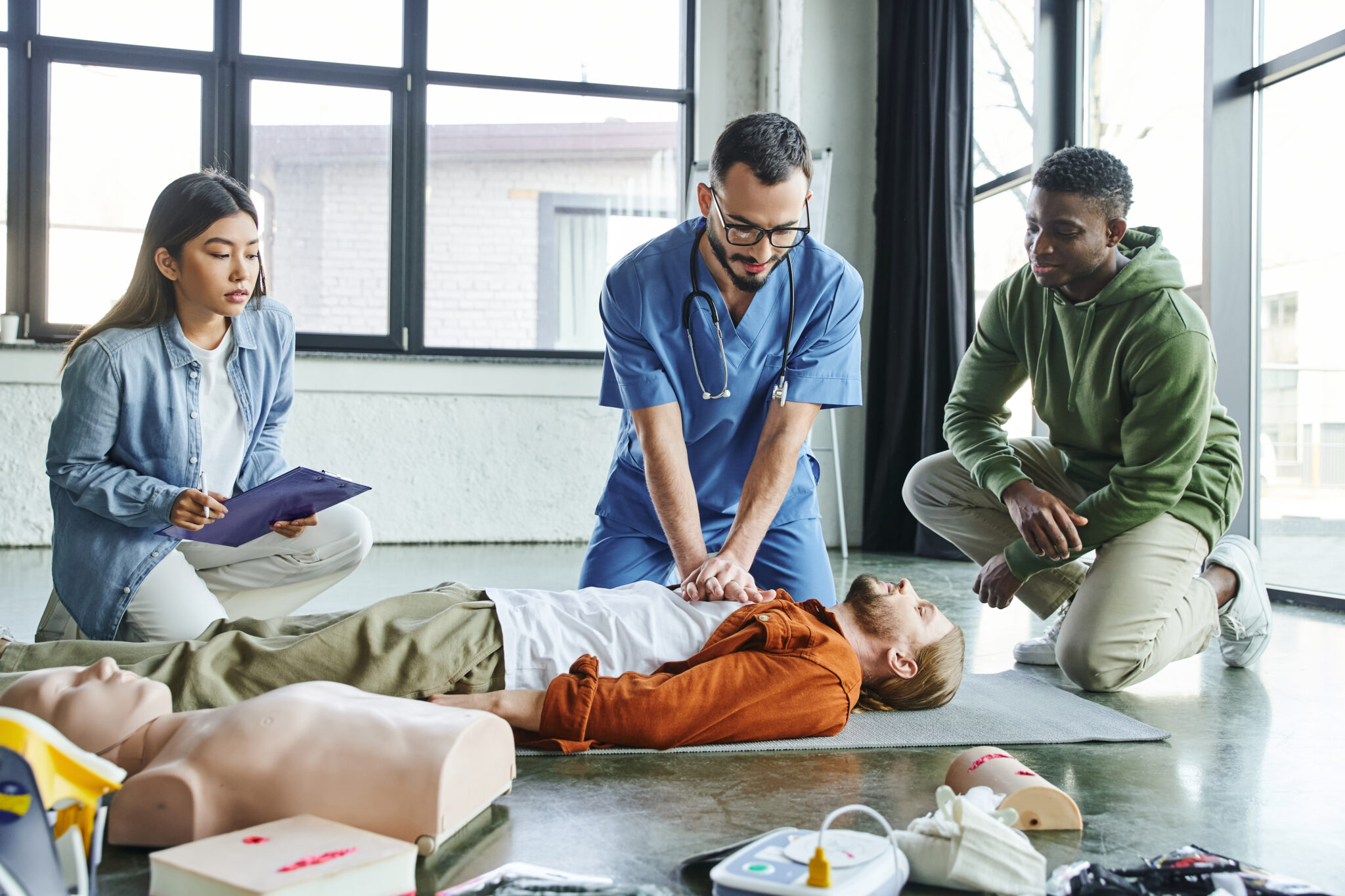
Cardiopulmonary Resuscitation (CPR): A technique used when somebody is unresponsive and not breathing. Choking Relief Techniques: Maneuvers such as the Heimlich maneuver for subconscious individuals. Recognition of Cardiac Arrest Symptoms: Recognizing just how to identify when somebody requires prompt assistance.Key Elements of BLS Training
Understanding BLS training is vital for any individual looking to be planned for emergency situations:
- Hands-on experiment CPR techniques. Learning exactly how to operate an AED effectively. Familiarization with acknowledging signs of distress.
BLS Qualification: Why Is It Relevant?
Obtaining a BLS accreditation has come to be significantly vital in different areas-- specifically healthcare, education, and civil service. Many companies mandate this certification as a requirement for employment.
Who Needs to Discover Basic Life Support?
The solution is straightforward: everybody! Whether you're an educator, instructor, or simply a worried person, recognizing BLS can empower you to act decisively in emergencies.
The Role of Advanced Life Support
Defining Advanced Life Assistance Procedures
Advanced Life Assistance goes beyond what laypersons can offer and includes:
Training Required for ALS
Professionals that provide ALS should undertake substantial training:
- Medical understanding pertaining to pharmacology Skills for invasive procedures Understanding medical facility codes and protocols
When Is ALS Necessary?
ALS becomes important throughout severe clinical emergencies where basic steps are inadequate-- such as cardiac arrest or severe trauma instances calling for immediate intervention.
Comparative Analysis: BLS vs ALS
|Function|Basic Life Support|Advanced Life Assistance|| ------------------------------|----------------------------|--------------------------------|| Training Level|Minimal (layman degree)|Substantial (physician)|| Treatments|MOUTH-TO-MOUTH RESUSCITATION, AED usage|Medication administration|| Equipment Used|AEDs|IV equipment, intubation tools|| Range of Technique|Preliminary analysis|Comprehensive emergency situation treatment|
This table highlights considerable distinctions in range, training needs, and treatments in between BLS and ALS.
Essential Skills for Effective Basic Life Support
Checking Responsiveness: The Very First Step
The very first activity when coming across a less competent individual is to inspect their responsiveness by gently trembling them or calling their name noisally. If there's no action:
Call emergency solutions immediately. Begin CPR if there's no breathing detected.
Identifying No Breathing: An Important Evaluation
Knowing exactly how to recognize no breathing can suggest the difference in between life and death:
Look for chest increase and fall. Listen for breath appears near the mouth. Feel for breath against your cheek.If there's no breathing found within 10 secs, start mouth-to-mouth resuscitation immediately.
Performing Reliable CPR Methods in BLS
Taking Turns on Compressions: The Importance of Teamwork
In a team setup during a resuscitation effort:
Ensure that rescuers take transforms every 2 minutes or after 30 compressions to stop fatigue. Keep track of time using a clock or timer if available.This synergy not only improves effectiveness however ensures continual top quality compressions throughout the process.
Lower Compression Deepness: A Typical Mistake
Many people undervalue the called for depth of chest compressions during mouth-to-mouth resuscitation:
- Aim for at the very least 2 inches deep in grownups while allowing full recoil between compressions. A reduced compression depth can substantially reduce blood flow effectiveness throughout heart arrest.
Advanced Techniques in Advanced Life Support
Hospital Codes and Methods: What You Required to Know
Understanding health center codes is important when functioning together with health care experts during emergencies:
Code Blue usually indicates heart attack; responders should prepare accordingly. Familiarity with neighborhood procedures makes certain effective interaction with healthcare facility staff when EMS arrives.Public Defibrillator Usage: Lifesaving Technology
AEDs are ending up being progressively common in public spaces:
Most devices offer distinct instructions; follow them closely. Ensure that no person is touching the client throughout defibrillation delivery.Utilizing an AED immediately enhances possibilities of survival considerably complying with cardiac arrest events.
Maintaining Composure Under Pressure
In high-stress situations-- like carrying out mouth-to-mouth resuscitation or collaborating rescue initiatives-- maintaining calmness can be difficult yet vital:
Take deep breaths prior to participating in lifesaving measures. Delegate jobs among employee successfully based upon everyone's skills set; this minimizes chaos.A tranquil demeanor helps ensure that actions taken are purposeful instead of hasty or panicked-- essential in maintaining life till Darwin First Aid professional aid arrives.
FAQ Section
Q1: What are some indicators that a person may require BLS?
A1: Indications consist of unresponsiveness, no normal https://andersonrzbe274.raidersfanteamshop.com/why-you-must-focus-on-first-aid-training-in-your-neighborhood breathing patterns, and noticeable distress suggesting potential cardiac arrest or choking incidents.

Q2: The length of time does it require to obtain licensed in BLS?
A2: Most programs use accreditations within 4-- 6 hours; nevertheless, recertification is usually needed every 2 years due to updates in methods and techniques taught!
Q3: Can any individual perform basic life support?
A3: Yes! Although training isn't needed legally talking-- it's very advised-- to make sure effective techniques are followed properly!
Q4: What equipment is frequently used during advanced life support?
A4: Equipment may consist of IV sets, progressed air passage administration tools like laryngoscopes & & bags/masks made particularly for delivering oxygen effectively!
Q5: Just how does team effort influence success rates during resuscitation efforts?
A5: Strong synergy enables much better interaction & & delegation which ultimately leads towards higher efficacy prices when doing required lifesaving measures!

Q6: Is public gain access to defibrillation common?
A6: Definitely! Many municipalities encourage putting AEDs strategically throughout public locations-- boosting overall neighborhood security greatly!
Conclusion
Understanding the differences in between Basic vs Advanced Life Assistance equips individuals from all profession with essential skills needed during emergencies! By incorporating theoretical knowledge with sensible application-- everyone stands prepared ought to they come across someone dealing with alarming situations requiring prompt intervention! Whether you're thinking about obtaining your own qualification-- or simply educating on your own about these crucial lifesaving measures-- it's clear that being notified makes all of us much better ready residents ready to provide aid when called upon! So go on-- take that first step in the direction of making a distinction today!
First Aid Pro | First Aid Course Darwin (RTO 31124) is one of Australia’s leading providers of accredited First Aid and CPR training. We specialise in Basic Life Support, CPR & First Aid, Emergency Response, AED, and many other accredited courses. Our training is both convenient and comprehensive, combining online and face-to-face learning options to suit your needs. Keep your first aid certificates up to date with same-day certification upon completion. Plus, find a lower price, and we’ll instantly beat it by 10%! Conveniently located at Double Tree Hilton, Level 5/116 Esplanade, Darwin City, NT 800. Visit our website for course dates, directions and parking details.
First Aid Pro | First Aid Course Darwin (RTO 31124) is one of Australia’s leading providers of nationally accredited First Aid and CPR training. We deliver a wide range of courses, including Basic Life Support, CPR & First Aid, Emergency Response, AED training, and more. Our courses are designed to be flexible and comprehensive, offering both online and face-to-face learning options to suit your needs. You’ll receive same-day certification upon successful completion, and with our Price Beat Guarantee, if you find a lower price, we’ll beat it by 10%! Our Darwin training venue is conveniently located at DoubleTree by Hilton, Level 5, 116 Esplanade, Darwin City, NT 0800. Visit our website to check upcoming course dates, directions, and parking details, and book your spot today.